

Are you tired of watching your rent payments disappear each month? It’s time to consider the leap from renting to homeownership. This journey isn’t just about having a place to call your own. It’s a powerful way to build wealth that can change your financial life.
Owning a home means building equity with every mortgage payment. Unlike rent, which goes into your landlord’s pocket, your monthly costs can become an investment in your future. Let’s explore how you can make the shift from tenant to homeowner and start growing your wealth through real estate.
Quick Recommendation: Our blog is packed with practical tips and strategies for building wealth without breaking the bank. If you’re looking for a smart way to invest your spare change and grow your savings, we recommend trying Acorns.
Understanding the Path from Renting to Homeownership
The choice between renting and buying a home is a big financial step. Renting lets you move easily and saves money upfront. You don’t have to worry about maintenance costs either. But, you won’t be building any equity with your rent payments.
Buying a home is a long-term investment in real estate. Every month, you’re paying down your mortgage and owning more of your property. If the housing market goes up, your home could be worth more later.
Homeownership has its own set of responsibilities. You’ll need to pay for property taxes, insurance, and repairs. But, you get to make your home your own and might see your investment grow over time.
The state of the housing market affects your decision a lot. High home prices might make renting look better for now. But if you see yourself living in one place for years, buying could save you money in the long run.
Think about your lifestyle, career plans, and financial goals when deciding between renting and buying. Not everyone is suited for homeownership. But for those who are, it can be a key to financial stability and building wealth.
Assessing Your Financial Readiness for Homeownership

Buying a home is a big step in personal finance. Before you start saving for home ownership, take a close look at your money situation. Are you ready to own a home? Let’s find out.
First, check your income. Is it steady? Lenders want to see you have a reliable paycheck. They’ll look at your past two years of work history. If your income changes a lot, you might need to wait before buying.
Next, look at your debts. How much do you owe compared to what you earn? This is your debt-to-income ratio. Lenders like this number to be under 43%. If it’s higher, work on paying down debts before house hunting.
Your savings matter too. Can you afford a down payment? Most loans ask for 3% to 20% of the home’s price. Don’t forget about closing costs and emergency funds. These are key parts of saving for home ownership.
Lastly, think about your credit score. A good score can help you get better loan terms. This means lower interest rates and more money saved over time. It’s a smart move for your long-term wealth.
By looking at these areas, you’ll get a clear picture of your financial health. This helps you decide if you’re ready to move from renting to owning. Remember, homeownership is a journey. Take your time to get your finances in order before you take the leap.
Creating a Solid Savings Plan for Your Down Payment
Saving for a down payment needs a good plan in personal finance. First, set a clear goal for your savings. Figure out how much you need based on the homes you want.
Make a budget with your income and expenses. Find ways to spend less. You might eat out less, cancel unused subscriptions, or buy cheaper items.
Open a savings account just for your down payment. This keeps your savings separate from your everyday money. Consider setting up automatic transfers from your paycheck to this account.
Find ways to make more money. This could be a part-time job, freelancing, or selling things you don’t need anymore. Every extra dollar helps your down payment fund.
Look into high-yield savings accounts or certificates of deposit for better interest. These options usually have higher interest rates than regular savings accounts. This can help your savings grow faster.
Saving for a down payment is a long-term effort. Keep your eyes on the goal and celebrate your progress. With hard work and smart money choices, you’ll get closer to owning a home.
Quick Recommendation: Our blog is packed with practical tips and strategies for building wealth without breaking the bank. If you’re looking for a smart way to invest your spare change and grow your savings, we recommend trying Acorns.
Improving Your Credit Score for Better Mortgage Terms
Your credit score is key to your financial journey, especially for buying a home. A high score means better mortgage deals, saving you a lot of money. Start by paying all bills on time. Use automatic payments to never miss a deadline.
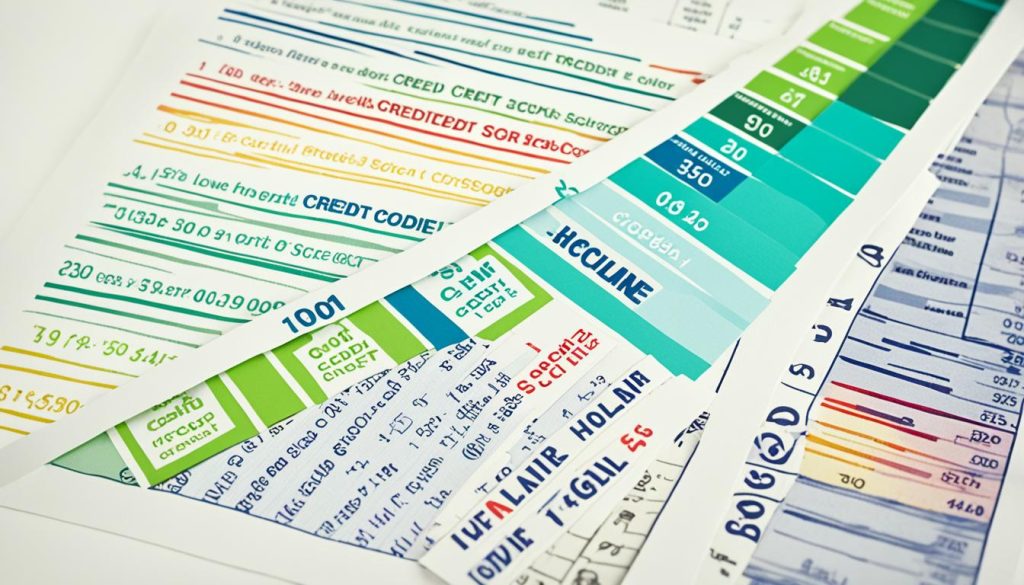
Then, work on lowering your credit card debt. Try to use less than 30% of your available credit. This shows you’re good with money. Don’t close old credit accounts, as they help your score. Just use them for small buys now and then.
Regularly check your credit report for mistakes. Correct any errors with the credit bureaus. This can quickly raise your score. Avoid applying for new credit before your mortgage application. Each application can lower your score for a bit. Follow these tips to get better mortgage terms and reach your dream of owning a home.
Navigating the Current Housing Market
The housing market changes a lot over time. In recent years, we’ve seen big shifts in home prices, how many homes are for sale, and what buyers want. It’s key to know these trends if you’re thinking about investing in real estate.
Home prices have been going up in many places. This is because of low interest rates and a lot of demand. But, not all areas are seeing the same price increases. Some cities are seeing prices jump fast, while others are seeing smaller increases.
How many homes are for sale is also important. In many places, there aren’t enough homes for sale. This makes it hard for buyers and can drive up prices. If you’re looking to buy, you’ll need to act fast when you find a home you like.
Where you look to buy is also crucial. Coastal cities and tech hubs usually have higher prices and are more competitive. On the other hand, some smaller cities and rural areas offer more affordable options for real estate. Where you choose to buy can greatly affect how much you can afford and your potential return on investment.
Knowing about these trends will help you make better choices in your journey to own a home. Remember, real estate is local, so it’s important to understand the market in the areas you’re interested in.
Exploring Mortgage Options and Pre-approval Process

When you’re ready to buy a home, knowing about mortgage options is crucial. Fixed-rate mortgages have steady monthly payments. Adjustable-rate mortgages start low but can change. FHA loans help first-time buyers with lower credit scores. VA loans don’t require a down payment for veterans.
The pre-approval process is your first big step. You’ll share financial documents with a lender. They look at your income, debts, and credit history. This helps figure out how much you can borrow. Getting pre-approved shows sellers you’re serious and gives you a clear budget.
Before applying, check your credit report for mistakes and pay off debts. Collect recent pay stubs, tax returns, and bank statements. Remember, pre-approval is more thorough than pre-qualification. It looks closely at your finances and is more powerful in buying a home.
Knowing about these options and steps puts you in a strong spot for buying a home. It’s a big step in managing your finances. But with the right knowledge, you’re ready to find the best mortgage for your new home.
Balancing Rent Payments with Saving for a Home
Managing rent payments and saving for a home can be tough. The debate between renting and buying often makes renters unsure about breaking free from renting. But, with the right strategies, you can balance your current costs and future dreams of owning a home.
First, make a detailed budget. Keep track of every dollar you spend and find ways to cut back. Maybe eating out less or canceling unused subscriptions can help. These small changes can free up more money for saving for a home.
Think about downsizing your rental to lower your monthly costs. A smaller apartment or a less expensive area could greatly increase your savings. Remember, this is just a step towards building wealth and owning a home.
Find ways to make more money. Side jobs, freelance work, or asking for a raise can help your savings. Every extra dollar you earn moves you closer to your dream home.
Automate savings by setting up transfers to your savings account on payday. This “pay yourself first” approach ensures you’re always saving for a home. As your savings increase, you’ll feel more confident about becoming a homeowner.
From Rent to Equity: Saving for Home Ownership and Wealth

Buying a home is a key step in building wealth that renting can’t offer. Every mortgage payment reduces your debt and can increase your home’s value. This means you gain equity, a key asset for building wealth over time.
When you pay down your mortgage, you’re essentially investing in yourself. Unlike rent, which goes to a landlord, your payments increase your assets. This can greatly increase your net worth. Plus, owning a home provides stability, shielding you from rising rent costs and giving you a fixed housing expense.
Home values often go up over time. This means your initial investment could grow a lot, possibly leading to profits if you sell. Even if you don’t sell, your home’s increased value can help with other financial goals.
Switching from renting to owning is more than just a change in where you live. It’s a strategic move towards financial security and wealth. While getting there takes planning and saving, the long-term gains are worth the effort.
Building Wealth Through Real Estate Investment
Real estate investment is a strong way to grow your wealth. It’s not just about owning your home. By investing in rental properties, you can earn steady income and see property values rise over time.
REITs (Real Estate Investment Trusts) are another choice for real estate investing. These companies own and manage properties that make money. By investing in REIT shares, you can be part of real estate without owning property directly. It’s a simpler way to invest in real estate.
House flipping is a quick way to make money. You buy a property, fix it up, and then sell it for more. This method takes more effort and comes with risks. But, if done well, it can bring big profits.
Investing in commercial real estate means buying properties like office buildings or warehouses. These properties usually make more money than homes. They can be a smart way to grow your wealth.
To succeed in real estate investment, you need to do your homework and plan well. Start small, learn as you go, and slowly grow your investments. With the right approach, you can build wealth that lasts.
Preparing for the Hidden Costs of Homeownership
Buying a home is a big step in your personal finance journey. It’s not just about the mortgage payment. You’ll also need to budget for property taxes, which can vary a lot depending on where you live. These taxes help fund local services and schools.
Insurance is another key expense. Homeowners insurance protects your home from disasters and accidents. In some places, you might need extra coverage for floods or earthquakes. Don’t forget about private mortgage insurance if your down payment was less than 20%.
Maintenance and repairs are ongoing costs that surprise many new homeowners. From fixing leaky faucets to replacing old appliances, these expenses can add up. It’s smart to set aside 1-3% of your home’s value each year for upkeep. By planning for these hidden costs, you’ll be ready for the financial realities of homeownership.
Quick Recommendation: Our blog is packed with practical tips and strategies for building wealth without breaking the bank. If you’re looking for a smart way to invest your spare change and grow your savings, we recommend trying Acorns.